
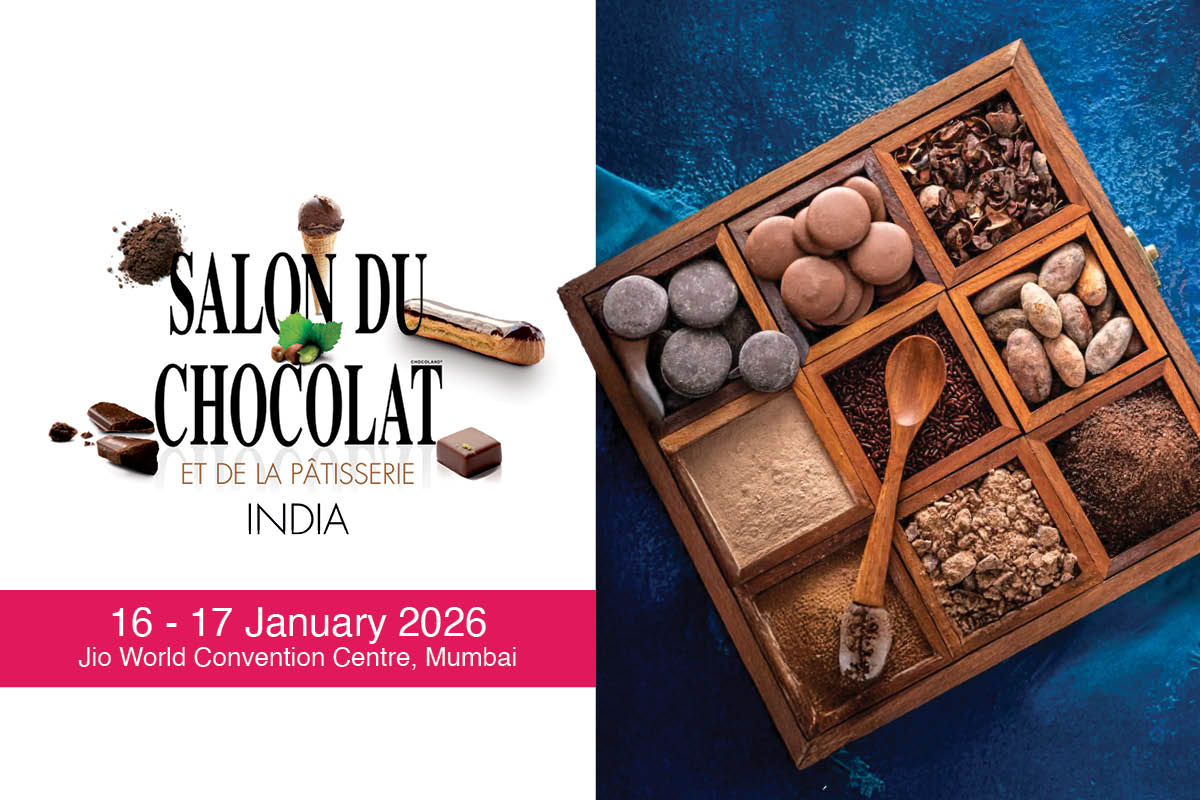
Explore how global cocoa origins shape chocolate flavours, from India to the Ivory Coast, Ecuador and Indonesia.
Chocolate is a story of land, culture and craft. Salon du Chocolat, the world’s largest chocolate celebration, is making its India debut this 16–17 January 2026 at the Jio World Convention Centre, Mumbai, bringing with it the rich, homegrown flavours of cocoa. The event takes visitors on a journey across the world’s finest cocoa-growing regions, exploring how the origin of each bean shapes the chocolate we enjoy today. From tropical plantations to artisanal kitchens, every stage of cocoa production tells a unique story.
Global Flavours That Inspire
The taste of chocolate begins with the land:
- Ghana: Known for its robust, full-bodied flavour, Ghanaian cocoa forms the backbone of many dark chocolate classics.
- Ecuador: The fine-flavour Arriba beans offer delicate floral, nutty and citrusy notes, creating refined, aromatic chocolate.
- Madagascar: Bright and fruity, Madagascan cocoa allows chocolatiers to craft adventurous gourmet creations.
- Indonesia: Rich and earthy, Indonesian cocoa provides deep, complex flavours that are perfect for bold, intense chocolate.
- Ivory Coast: Smooth and well-rounded, Ivorian cocoa is prized for its consistent quality, forming the foundation of many popular chocolate blends.
Each region brings a signature taste, influenced by soil, rainfall, and traditional farming methods passed down through generations.
India’s Cocoa : Subtle and Distinctive
India has a story to tell, too. Grown under the shade of coconut palms in Kerala, Karnataka, and Andhra Pradesh, Indian cocoa benefits from sustainable, climate-smart farming techniques. The trees thrive in harmony with their surroundings, often living for decades and producing pods directly from the trunk, a rare and captivating botanical feature.
Indian cocoa offers subtle sweetness, earthy undertones, and aromatic complexity, making it versatile for bean-to-bar chocolates, artisanal truffles, and even mithai-inspired innovations like peda bonbons and rose truffles. Local chocolatiers are now blending tradition with innovation, putting India firmly on the global chocolate map.
Crafting Chocolate With Care
The journey from bean to bar is as much an art as it is a science. Fermentation, roasting, grinding, and conching are carefully adapted to each cocoa origin to preserve its unique flavours. Chocolatiers around the world, and in India, fine-tune each step, whether emphasising fruity notes, balancing bitterness, or enhancing aromatic undertones. These meticulous techniques transform simple beans into chocolate that tells the story of its land, climate, and culture.
A Taste of Culture in Every Bite
“Cocoa is more than an ingredient, it’s culture, history, and craft,” says Satish Menon, Project Head, Salon du Chocolat India. “By tasting chocolate from India and across the globe, visitors can experience the stories that make every bite special.”
Exploring the World, One Bite at a Time
Visitors to Salon du Chocolat India can explore a world of chocolate like never before, discovering single-origin chocolates and unique flavour combinations, attending interactive workshops, live demonstrations, and tasting sessions, and meeting celebrated chocolatiers from India and around the globe.
Whether you are a chocolate enthusiast, a curious foodie, or an aspiring chocolatier, Salon du Chocolat India offers an opportunity to taste, compare and celebrate the rich diversity of cocoa worldwide. From the robust cocoa of Ghana to the aromatic Indian plantations, this journey promises to delight the senses and inspire the imagination.
Chocolate is more than a sweet treat—it is a passport to the flavours, cultures, and stories that shape our world.
Book your tickets at www.salonduchocolatindia.com to experience India’s first Salon du Chocolat!